

5 Ways Sports Medicine in Podiatry Helps You Recover
Sports medicine in podiatry combines foot-and-ankle expertise with athletic injury evaluation, rehabilitation, and prevention. It helps identify the cause of pain, create a personalized recovery plan, restore strength and mobility, and reduce reinjury risk. This approach benefits runners, recreational athletes, active adults, and anyone whose foot or ankle limits movement.
What Does Sports Medicine in Podiatry Treat?
Sports medicine in podiatry addresses injuries and conditions that affect how you stand, walk, run, jump, and train. A podiatrist looks beyond the painful area to evaluate alignment, footwear, training habits, muscle balance, and movement patterns.
Common concerns include:
- Sprains, strains, and overuse injuries
- Achilles tendonitis and other tendon problems
- Plantar fasciitis and heel pain
- Stress fractures and bone injuries
- Shin, arch, forefoot, and ankle pain
- Running-related gait or alignment problems
You do not need to be a professional athlete to benefit. A weekend runner, gym member, dancer, hiker, or active worker may need the same careful assessment as a competitive athlete. You can learn more about available treatment options on our Services page.
How Does a Podiatrist Diagnose a Sports Injury?
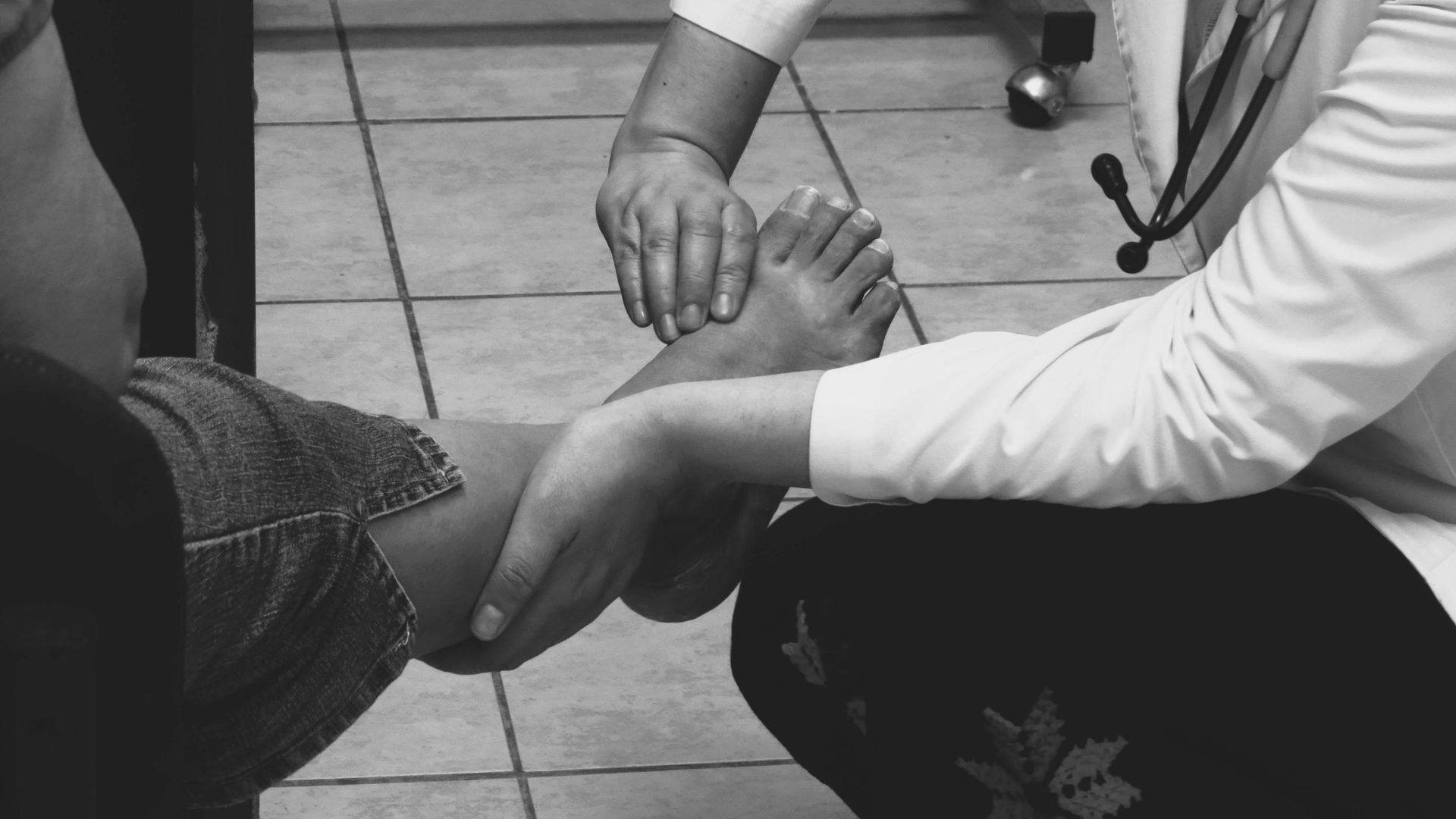
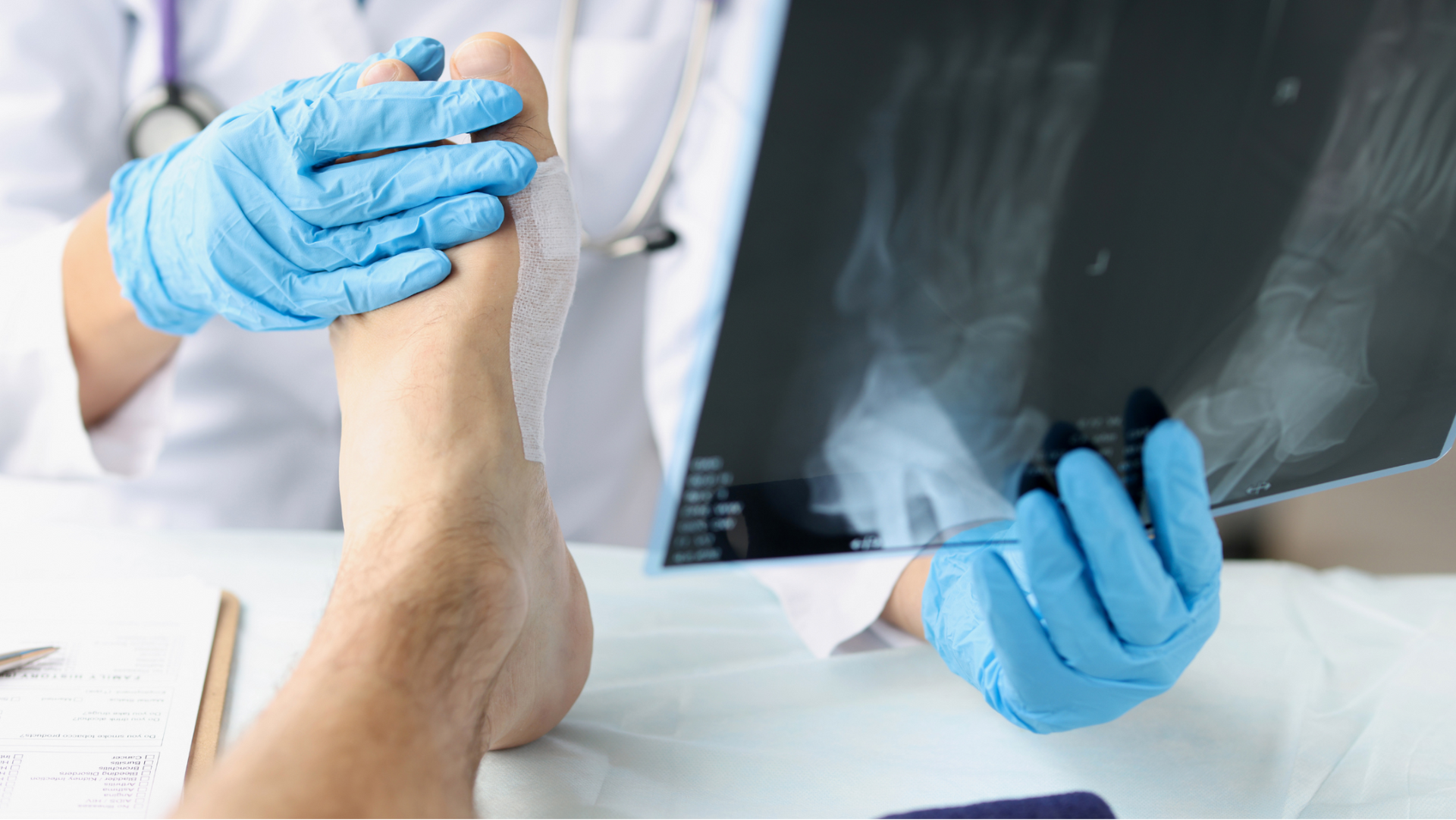
Diagnosis begins with a discussion of your symptoms, activity level, injury history, and recovery goals. Your podiatrist then examines the foot and ankle while checking strength, flexibility, balance, joint motion, swelling, tenderness, and gait.
Depending on your symptoms, evaluation may include:
- A standing and walking assessment to identify alignment or loading problems.
- Range-of-motion and strength testing to locate functional limitations.
- Imaging, such as X-rays or other diagnostic studies, when a bone or soft-tissue injury is suspected.
- Review of shoes, training surfaces, workload, and recent changes in activity.
- A discussion of work, sport, and lifestyle demands that may affect treatment.
This process helps distinguish similar symptoms. For example, heel pain may involve plantar fasciitis, a stress injury, nerve irritation, or another condition. Forefoot pain may be related to a neuroma, stress fracture, or footwear pressure. A precise diagnosis prevents guesswork and supports a more efficient recovery.
What Are the Main Benefits of Sports Medicine in Podiatry?
A sports-focused podiatric plan is designed around your body, activities, and goals rather than a one-size-fits-all protocol. Key benefits include:
Earlier, more accurate treatment
Identifying the source of pain early can help prevent a manageable injury from becoming chronic. It may also help you avoid compensating in ways that place stress on the knees, hips, or opposite foot.
A clear return-to-activity plan
Recovery is usually progressive. Your plan may define when to walk comfortably, resume low-impact exercise, begin running drills, increase training volume, and return to full activity.
Better support for healing
Reduced risk of reinjury
Rehabilitation can address weakness, limited mobility, poor balance, and movement patterns that contributed to the original injury. Prevention is especially important if you are returning to a demanding sport or increasing activity quickly.
Five Steps That Support a Safer Recovery
Your exact plan should come from a qualified clinician, but most successful recoveries include these practical stages:
- Get an accurate evaluation. Do not assume persistent pain is normal soreness. A diagnosis guides safe treatment.
- Reduce aggravating activity. Temporary rest does not always mean complete inactivity. Your provider can suggest safe alternatives that maintain conditioning.
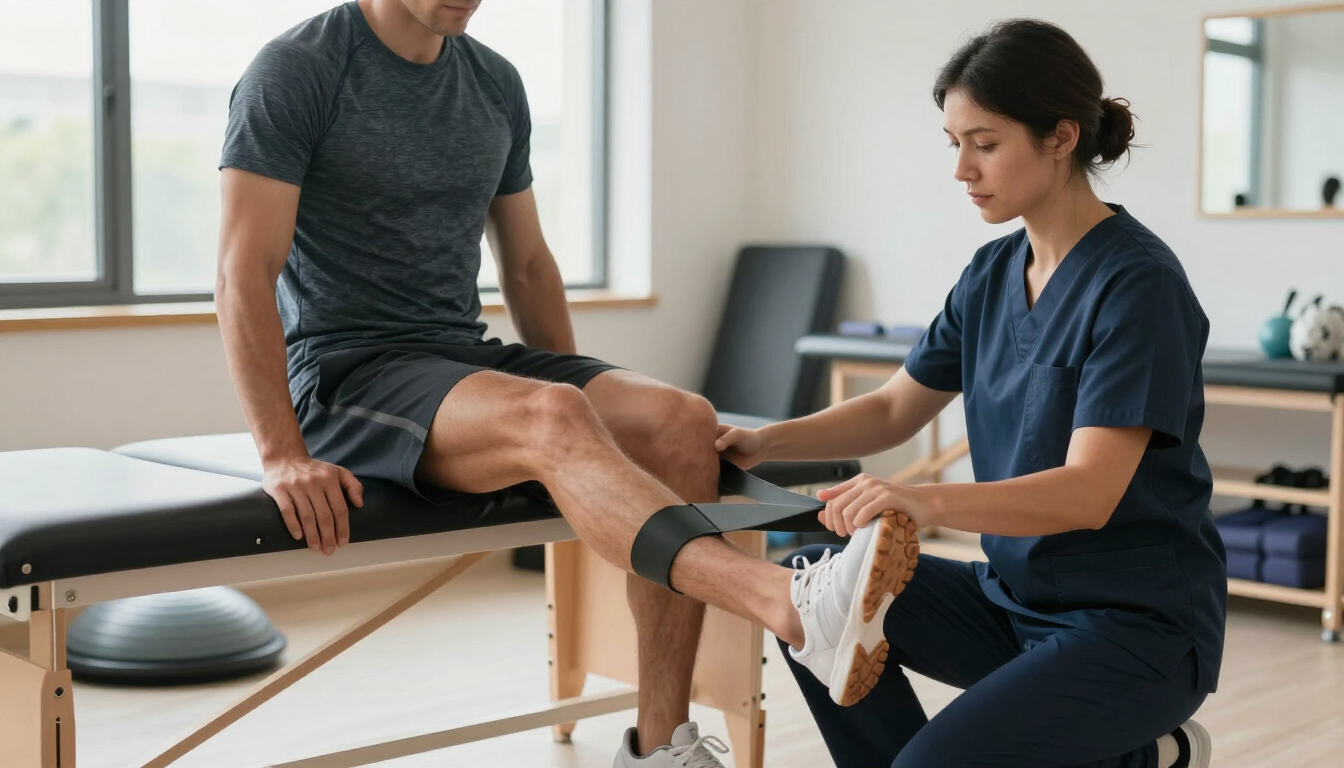
- Follow progressive rehabilitation. Exercises may improve mobility, strength, coordination, and balance in a controlled sequence.
- Increase activity gradually. Add distance, speed, intensity, or training days one variable at a time.
- Use prevention strategies. Supportive footwear, warmups, recovery days, and attention to early warning signs can protect long-term performance.
When Should You See a Podiatrist for Sports Pain?
Consider scheduling an evaluation when pain persists, worsens, or changes the way you move. You should also seek care after a significant twist, fall, direct impact, or sudden increase in swelling.
Prompt attention is particularly important if you notice:
- Inability to bear weight normally
- Significant bruising, swelling, or deformity
- Pain that occurs at rest or wakes you at night
- Repeated injuries in the same area
- Numbness, tingling, or weakness
- Pain that returns every time you resume training
Some injuries, including a metatarsal stress fracture or Achilles tendonitis , can worsen when ignored. Early evaluation may allow for simpler treatment and a more predictable return to activity.
Recovery Tools and Treatment Options
Sports medicine in podiatry may combine several approaches, selected according to your diagnosis and goals. Common options include:
- Activity modification: Replacing painful impact with cycling, swimming, or other approved low-impact exercise.
- Rehabilitation exercises: Building strength and mobility in the foot, ankle, calf, and supporting muscles.
- Footwear guidance: Choosing shoes with appropriate cushioning, structure, fit, and sport-specific features.
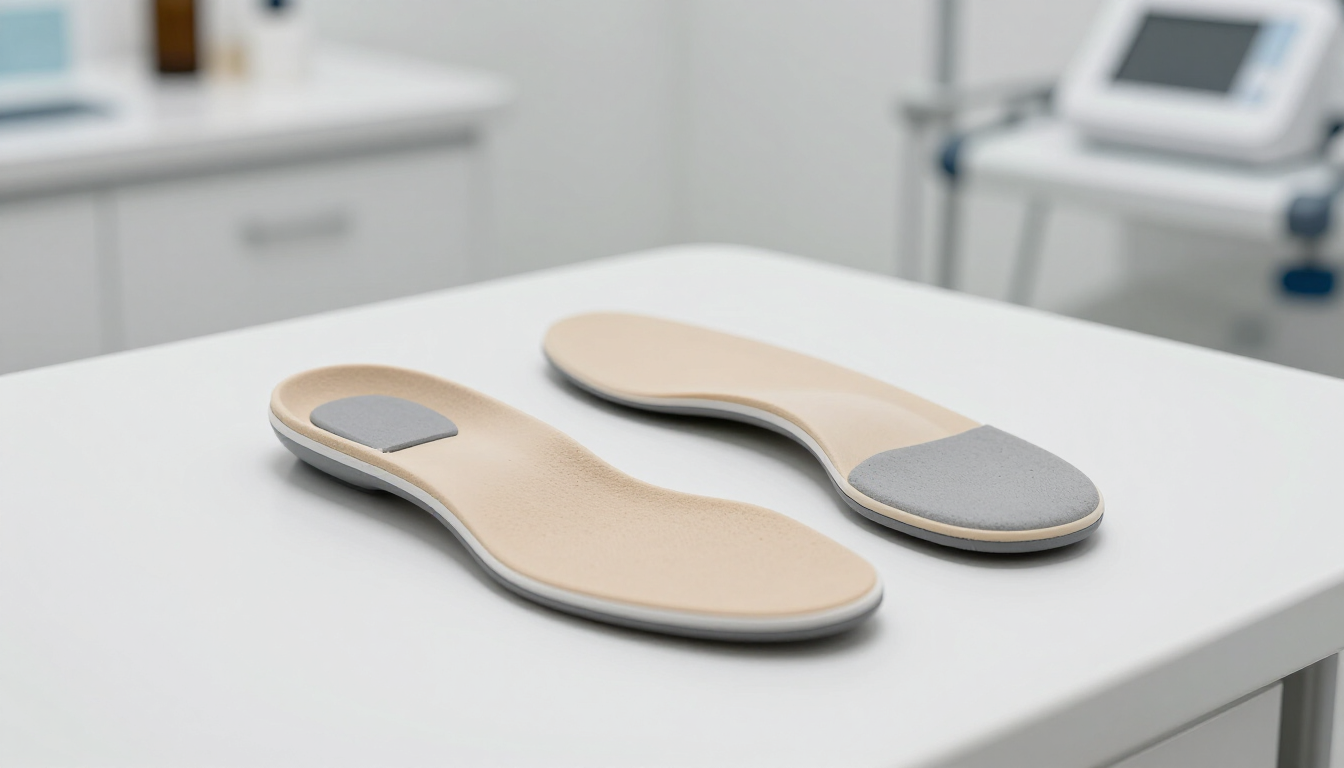
- Orthotic support: Improving pressure distribution and comfort when biomechanics contribute to symptoms.
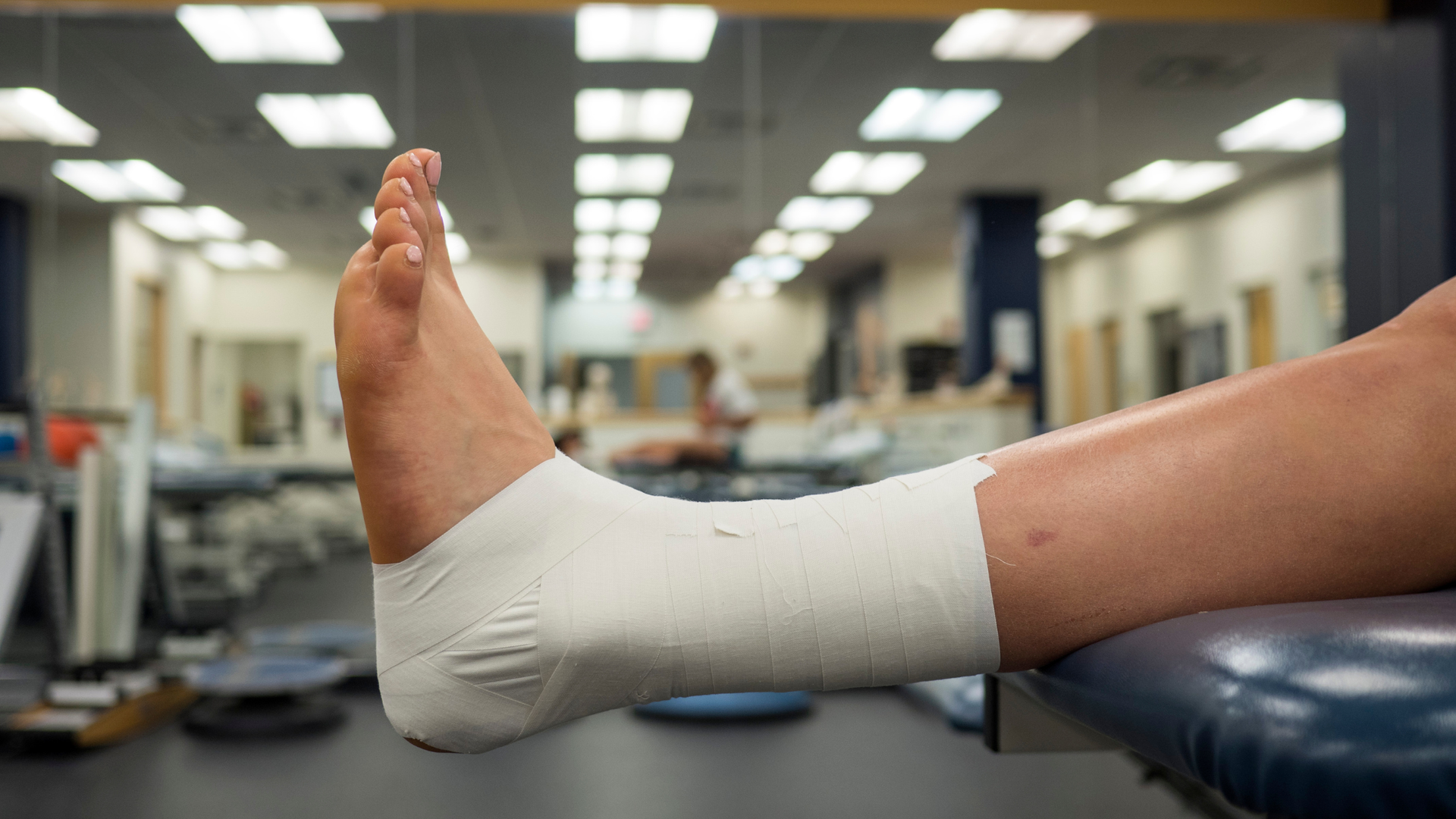
- Bracing or taping: Providing temporary support while tissues heal and movement is restored.
Treatment does not always mean stopping every activity. The goal is to protect healing tissue while maintaining as much safe movement and conditioning as possible. Your podiatrist can adjust the plan as symptoms, strength, and function improve.
Frequently Asked Questions
Can podiatry help athletes recover faster?
Podiatry can support an efficient recovery by identifying the injury accurately, treating contributing factors, and providing a measured return-to-activity plan. Recovery speed depends on the diagnosis, severity, consistency with care, and individual health.
Should I keep exercising with foot or ankle pain?
Do not push through sharp, worsening, or activity-altering pain. A clinician can help you determine which movements should be paused and which low-impact activities may be safe while you recover.
Are orthotics useful for sports injuries?
Orthotics may help some people by improving comfort and distributing pressure. They are most useful when selected as part of a complete evaluation rather than used as a universal solution.
How can I prevent another sports injury?
Return to activity gradually, strengthen weak areas, use appropriate footwear, vary intense training with recovery days, and respond early to recurring symptoms. A podiatrist can also assess gait and movement patterns.
Your Next Step
Sports medicine in podiatry can help you move from recurring pain to a structured, confident recovery. It is especially useful when symptoms persist, limit training, or return whenever activity increases. Start with an evaluation rather than self-diagnosing, then follow a plan that combines diagnosis, rehabilitation, gradual progression, and prevention. If you are experiencing foot or ankle pain in Virginia or West Virginia, review our foot and ankle services or contact the practice to discuss the next appropriate step.