
7 Essential Hot Weather Foot Care Tips for 2026

June 18, 2026

To maintain healthy feet during the summer, prioritize protection from UV rays, manage moisture to prevent fungal growth, and wear supportive footwear. Effective hot weather foot care includes applying sunscreen to the tops of feet, wearing moisture-wicking socks, and avoiding walking barefoot to prevent infections and injuries like cuts or burns.

Summer in Virginia and West Virginia brings beautiful sunshine, but the rising temperatures and high humidity can take a significant toll on your lower extremities. Whether you are planning a trip to the beach, hiking in the mountains, or just enjoying a backyard barbecue, your feet are your primary mode of transportation. Unfortunately, they are also often the most neglected part of the body when it comes to seasonal health routines. Without the proper precautions, the summer months can lead to painful conditions ranging from severe sunburns to stubborn fungal infections. By understanding the unique challenges that heat and moisture present, you can take proactive steps to ensure your summer remains active and pain-free.

How can I protect my feet from summer heat?

Protecting your feet from the summer heat involves more than just staying hydrated. Many people forget that the skin on the feet is just as susceptible to UV damage as the rest of the body. Sunburn on the tops of the feet can be incredibly painful, making it difficult to wear shoes or walk comfortably. When you apply sunscreen, ensure you cover the entire foot, including the ankles and the sensitive skin between the toes.

Direct heat from surfaces is another major concern. Asphalt, sand, and even pool decks can reach temperatures high enough to cause second-degree burns in just a few seconds. In our practice, we often see patients who have suffered thermal injuries simply by walking from their towel to the water. Always wear some form of protective footwear when traversing hot surfaces. Additionally, the heat can lead to significant dehydration, which manifests as swelling in the feet and ankles. Drinking plenty of water helps regulate your internal body temperature and reduces the likelihood of heat-induced edema. If you notice persistent swelling that does not resolve with rest and hydration, it may be a sign of an underlying circulatory issue that requires professional evaluation.

Why does humidity cause foot problems?

High humidity creates the perfect breeding ground for bacteria and fungi. When the air is thick with moisture, your feet are more likely to sweat excessively inside your shoes. This dark, warm, and damp environment is exactly where organisms thrive, leading to conditions like Fungal Toenails and skin irritations. Humidity also slows down the evaporation of sweat, which can lead to maceration—a condition where the skin becomes soft, white, and prone to breaking down.

To combat the effects of humidity, it is essential to keep your feet as dry as possible. This might mean changing your socks multiple times a day if you are active outdoors. Look for socks made from synthetic blends or merino wool that are specifically designed to wick moisture away from the skin, rather than cotton which tends to trap it. In regions like VA and WV, where summer humidity is a staple, being diligent about foot hygiene is the first line of defense against seasonal infections. If you notice any itching, redness, or peeling skin between your toes, it is important to address it early before it spreads or becomes a chronic issue.

Protective Footwear

The Danger of Going Barefoot in Public

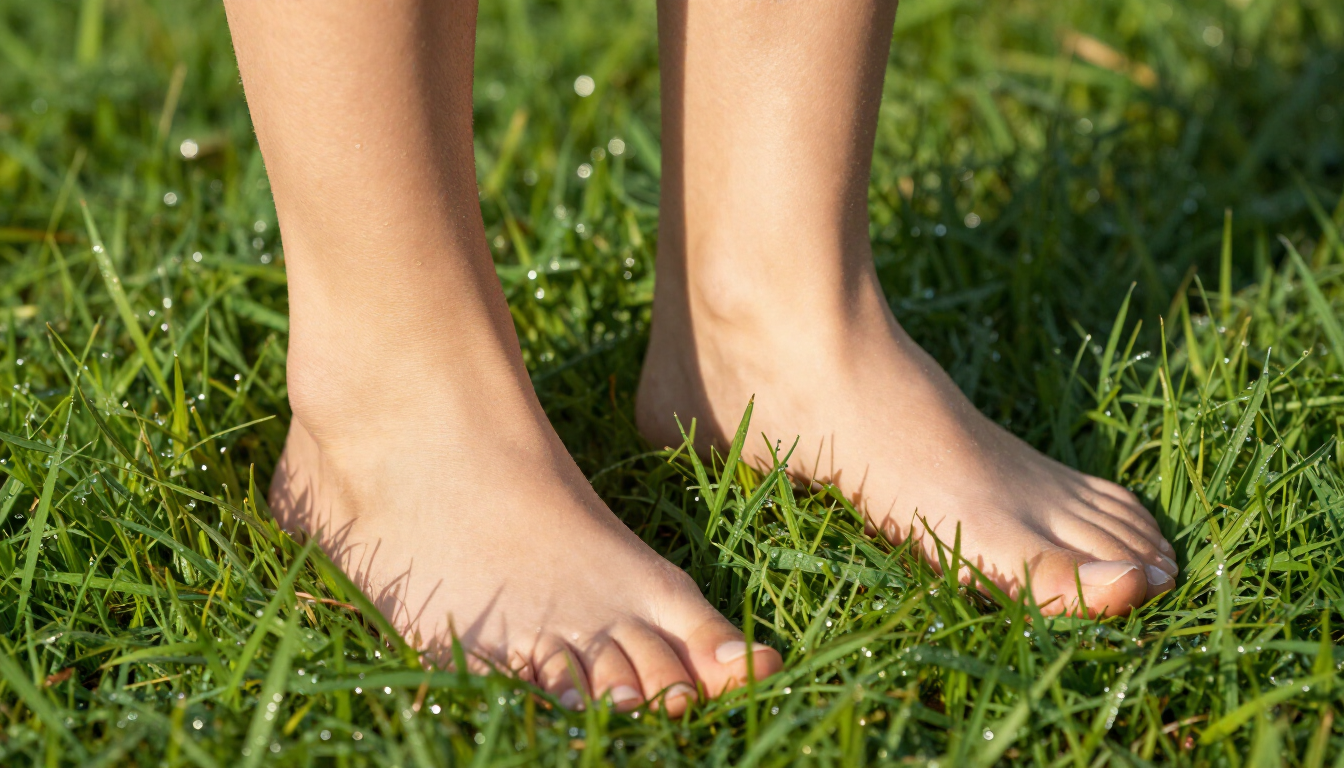
While the feeling of grass or sand between your toes is a hallmark of summer, going barefoot in public areas is one of the most common ways to pick up a foot infection or sustain an injury. Public pools, gym locker rooms, and community showers are hotspots for the transmission of plantar warts and fungal organisms. These environments are constantly wet and frequented by many people, making them a primary source of contagion. Beyond infections, walking barefoot exposes you to physical hazards such as:

  • Sharp objects like glass, shells, or hidden rocks
  • Stings from insects or bites from small critters in the grass
  • Splinters from weathered wooden boardwalks and decks
  • Increased strain on the fascia and tendons due to lack of support
  • Burns from hot pavement or sand

For those managing Diabetic Foot Care , going barefoot is strictly discouraged. Diabetes can cause neuropathy, or loss of sensation in the feet, meaning you might not feel a cut, puncture, or burn when it happens. This can lead to serious complications, including infections that are difficult to heal. Even if you don't have a pre-existing condition, wearing water shoes or flip-flops in public transition areas provides a necessary barrier that keeps your feet safe from invisible and physical threats.

What is the best footwear for hot weather?

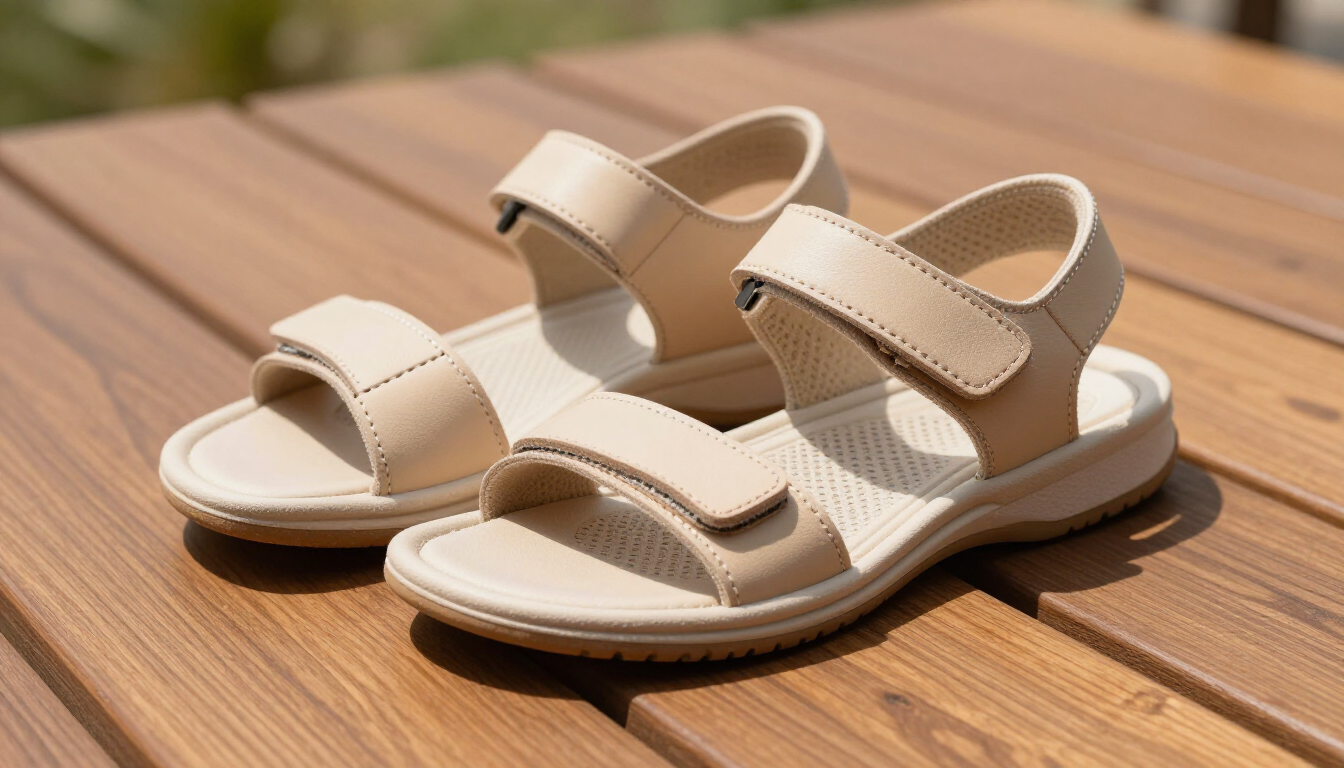
Choosing the right footwear for summer is a balancing act between breathability and support. While many people gravitate toward flat, unsupportive flip-flops, these are often the culprits behind seasonal Heel Pain and Heel Spurs . Traditional flip-flops offer no arch support and require your toes to "clinch" the shoe to keep it on, which can lead to tendonitis and strain over time. Instead, look for sandals that feature a contoured footbed and a strap around the ankle to keep the foot secure.

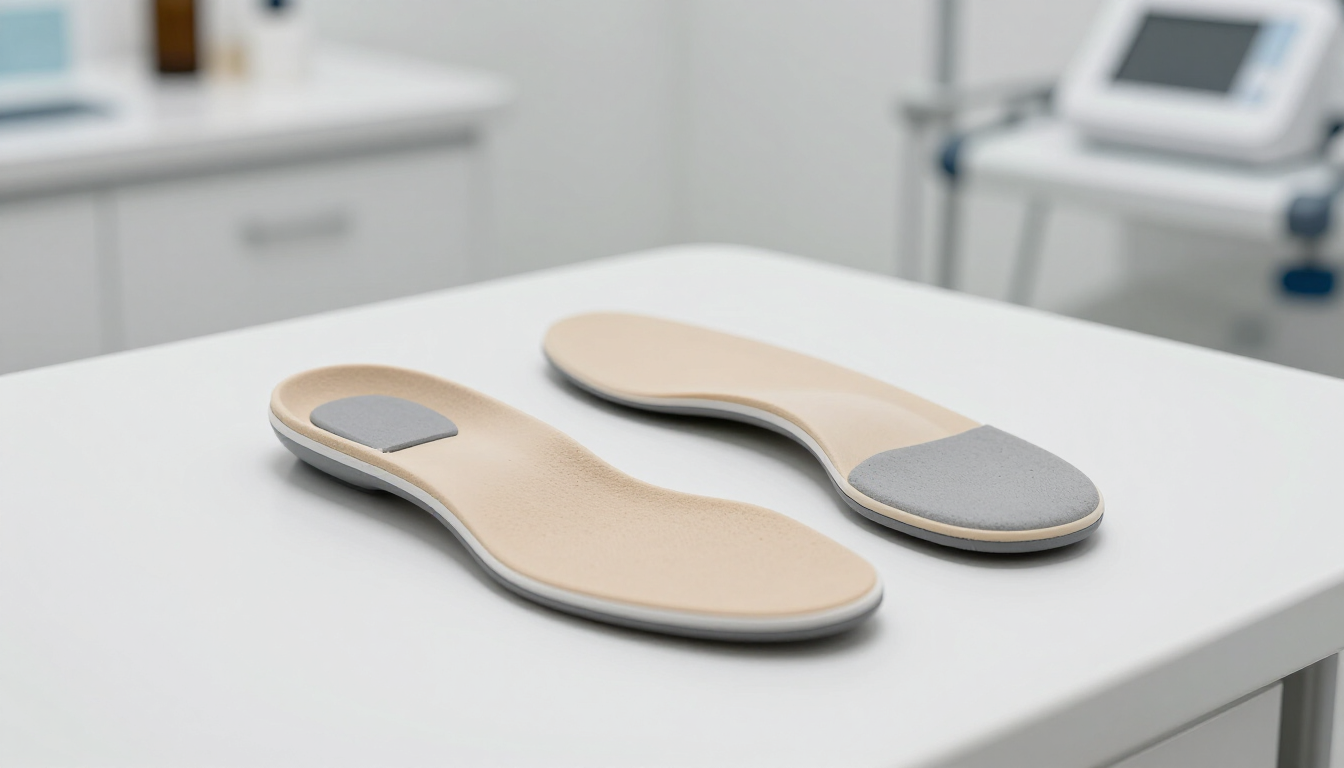
If you find that your favorite summer shoes don't provide enough comfort, you might consider Orthotics . Modern custom orthotics can be designed to fit into a variety of shoe styles, providing the mechanical support your feet need to prevent fatigue and pain during long summer walks. For more strenuous activities like hiking or running, stick to high-quality athletic shoes with breathable mesh uppers. These allow for air circulation while providing the stability required for uneven terrain. Remember that shoes also have a lifespan; if your summer sneakers from last year look worn down or have lost their cushioning, it is time for a replacement to avoid unnecessary stress on your joints.

Managing Summer Swelling and Circulation

It is common for feet to swell during the hottest months of the year. This happens because blood vessels dilate to help cool the body, and gravity pulls that extra fluid down toward your ankles. While usually temporary, this swelling can make shoes feel tight and cause general discomfort. To manage this effectively:

  • Elevate your feet above heart level for 20 minutes daily
  • Reduce your intake of high-sodium foods which cause water retention
  • Engage in low-impact movement like swimming to improve circulation
  • Wear compression socks during long travel or flights
  • Ensure your shoes have enough room to accommodate slight swelling
Healthy Summer Lifestyle

How do I prevent Athlete's foot in the summer?

Preventing Athlete's Foot during the summer requires a proactive approach to moisture control. This fungal infection is highly contagious and thrives in the warm, damp conditions often found in summer footwear. The most effective way to prevent it is to ensure your feet stay dry and that you never share shoes or towels with others. When you finish a day at the pool or a workout, wash your feet thoroughly with soap and water, paying special attention to the areas between your toes, and dry them completely before putting on clean socks.

Rotating your shoes is another critical strategy. It can take up to 24 hours for a pair of shoes to fully dry out after being worn. By alternating between at least two pairs of shoes, you give each pair the time it needs to air out, which significantly reduces the risk of fungal growth. If you are prone to sweating, using an antifungal powder inside your shoes can provide an extra layer of protection. If you do develop signs of an infection—such as scaly red rashes or intense itching—seek professional treatment early. Prompt care can prevent the fungus from spreading to your nails, which can be much harder to treat.

Essential Daily Foot Care Routine

A consistent daily routine is the best way to catch potential problems before they escalate. Spend five minutes each evening inspecting your feet for any new blisters, cuts, or changes in skin color. If you discover a wound that isn't healing properly, it is vital to seek Wound Care assistance, especially if you have underlying health conditions. Keeping your toenails trimmed straight across will help prevent ingrown nails, which can become infected more easily in the sweaty summer environment.

Moisturizing is also key, but with a caveat: only moisturize the heels and the tops of the feet. Avoid putting lotion between the toes, as the added moisture can contribute to fungal growth. Use a high-quality foot cream to prevent the skin on your heels from cracking, as deep cracks (fissures) can be painful and provide an entry point for bacteria. By making these small steps a part of your daily habit, you can ensure your feet remain healthy and ready for all the adventures summer has to offer.

Summary of Summer Foot Health Takeaways

Maintaining foot health in the summer is about being mindful of the unique environmental factors that can lead to injury or infection. By following a few simple guidelines, you can protect your feet from the heat and stay active all season long. Remember that your feet are the foundation of your mobility, and giving them a little extra attention now can prevent significant pain later.

  • Sun Protection: Apply SPF 30+ to the tops of your feet and ankles daily.
  • Footwear Choice: Opt for supportive sandals with arch support over flat flip-flops.
  • Moisture Management: Change socks frequently and use moisture-wicking materials.
  • Safe Surfaces: Never walk barefoot in public pools or on hot pavement.
  • Professional Help: Consult a podiatrist for persistent pain, swelling, or signs of infection.

If you experience any foot or ankle issues this summer, don't wait for the pain to worsen. Our team is here to help you get back on your feet and enjoy the warm weather to the fullest. Whether you need advice on orthotics or treatment for a sports injury, professional care is just a phone call away.

By VIV Builder April 9, 2026
Keep your feet healthy and pain-free this Foot Health Awareness Month. Learn about heel pain, orthotics, diabetic care, and injury treatment to stay active.
By VIV Builder March 17, 2026
Achilles tendonitis can cause heel pain and stiffness that worsens over time. Learn the symptoms, causes, and how podiatry care can help you recover and stay active.
By VIV Builder March 1, 2026
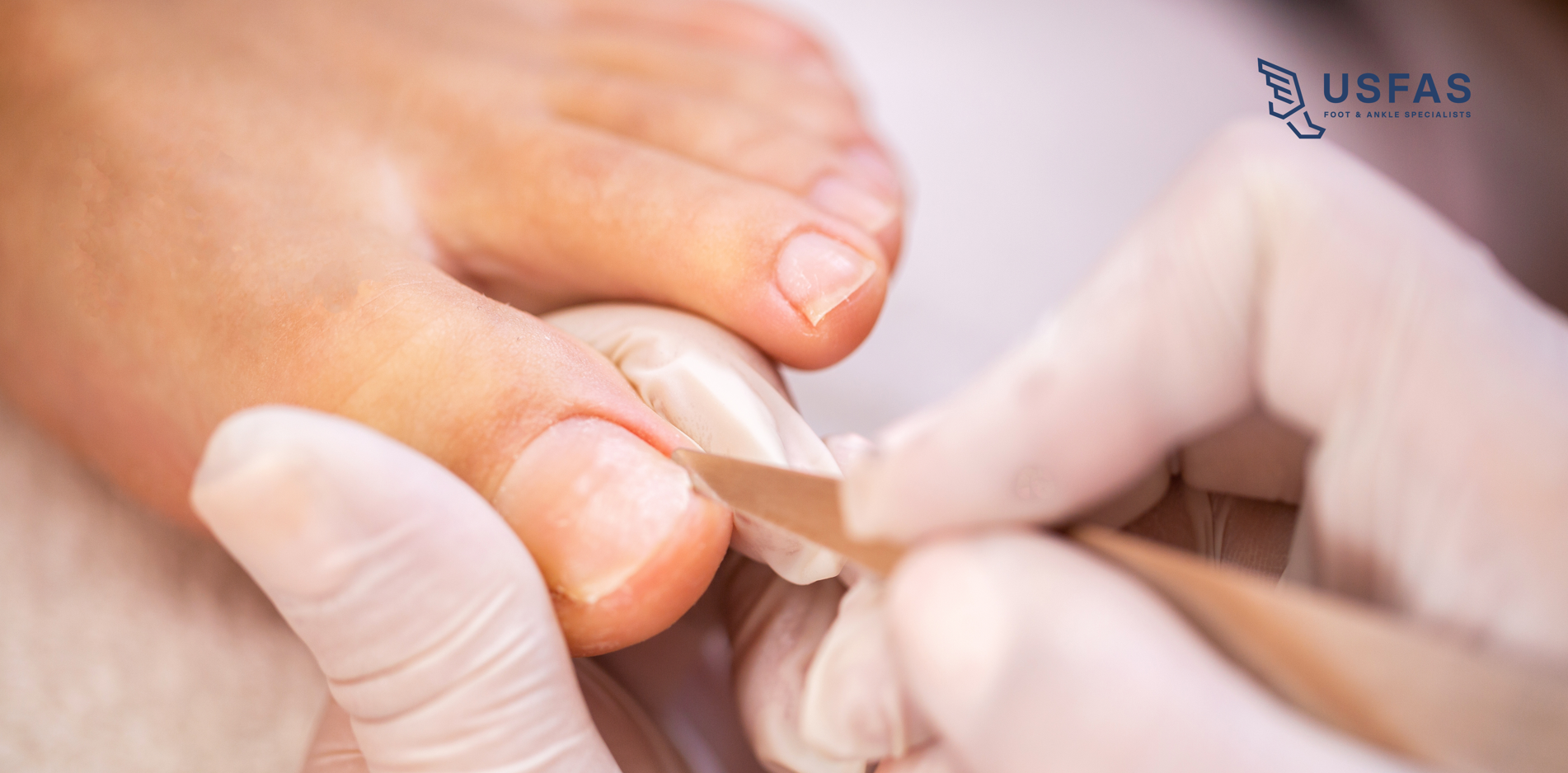
Ingrown toenails can quickly become painful if left untreated. Learn causes, symptoms, and how podiatry care can provide safe, effective relief and prevention.
By VIV Builder February 19, 2026
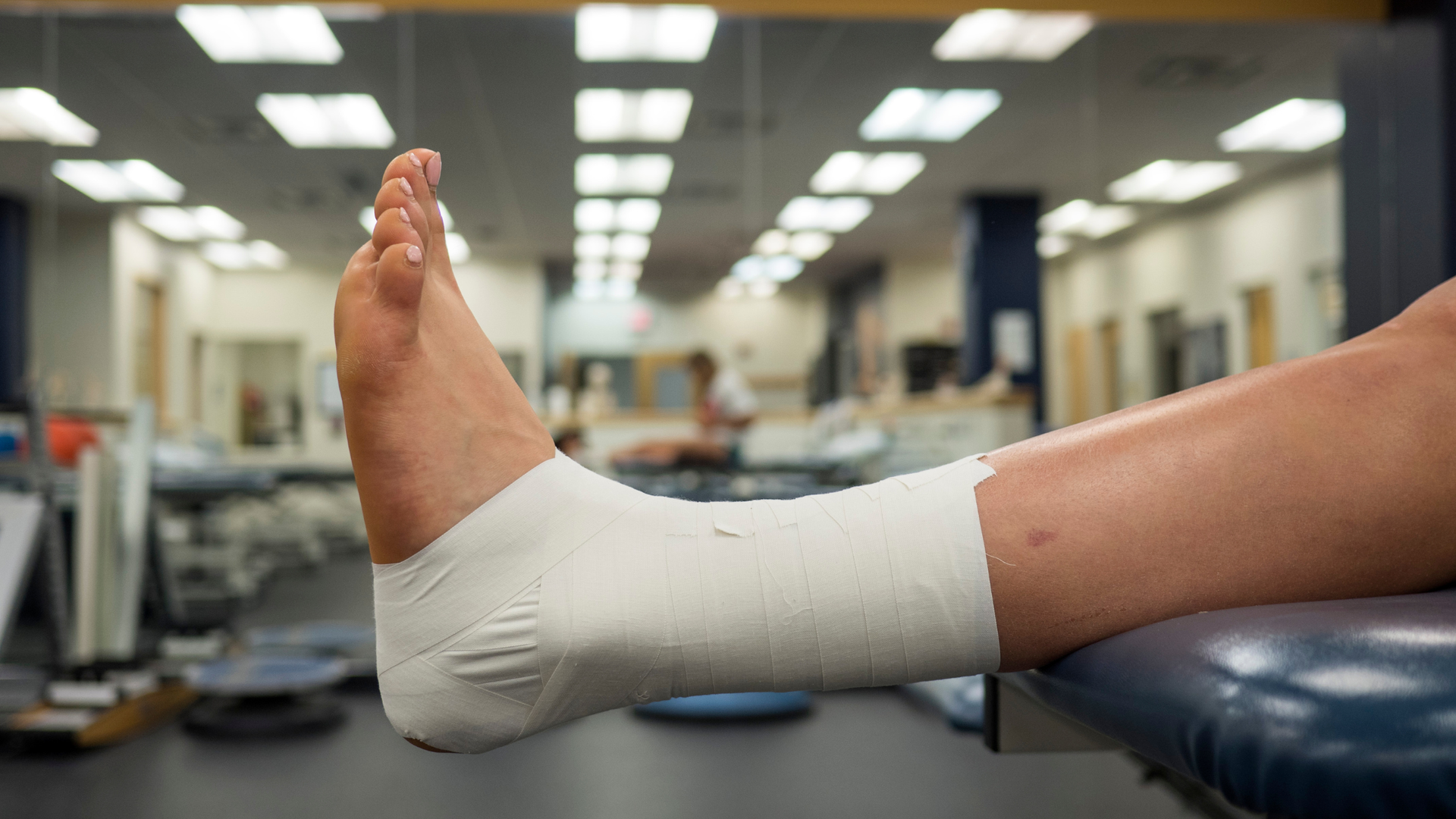
Don’t ignore an ankle sprain. Learn symptoms, causes, and why early treatment is key to preventing long-term pain and instability with expert podiatry care.
By VIV Builder February 5, 2026
Show your feet some love this February. Learn about common foot problems like heel pain, ingrown toenails, and diabetic foot care, and how podiatry treatment can help.
By VIV Builder January 23, 2026
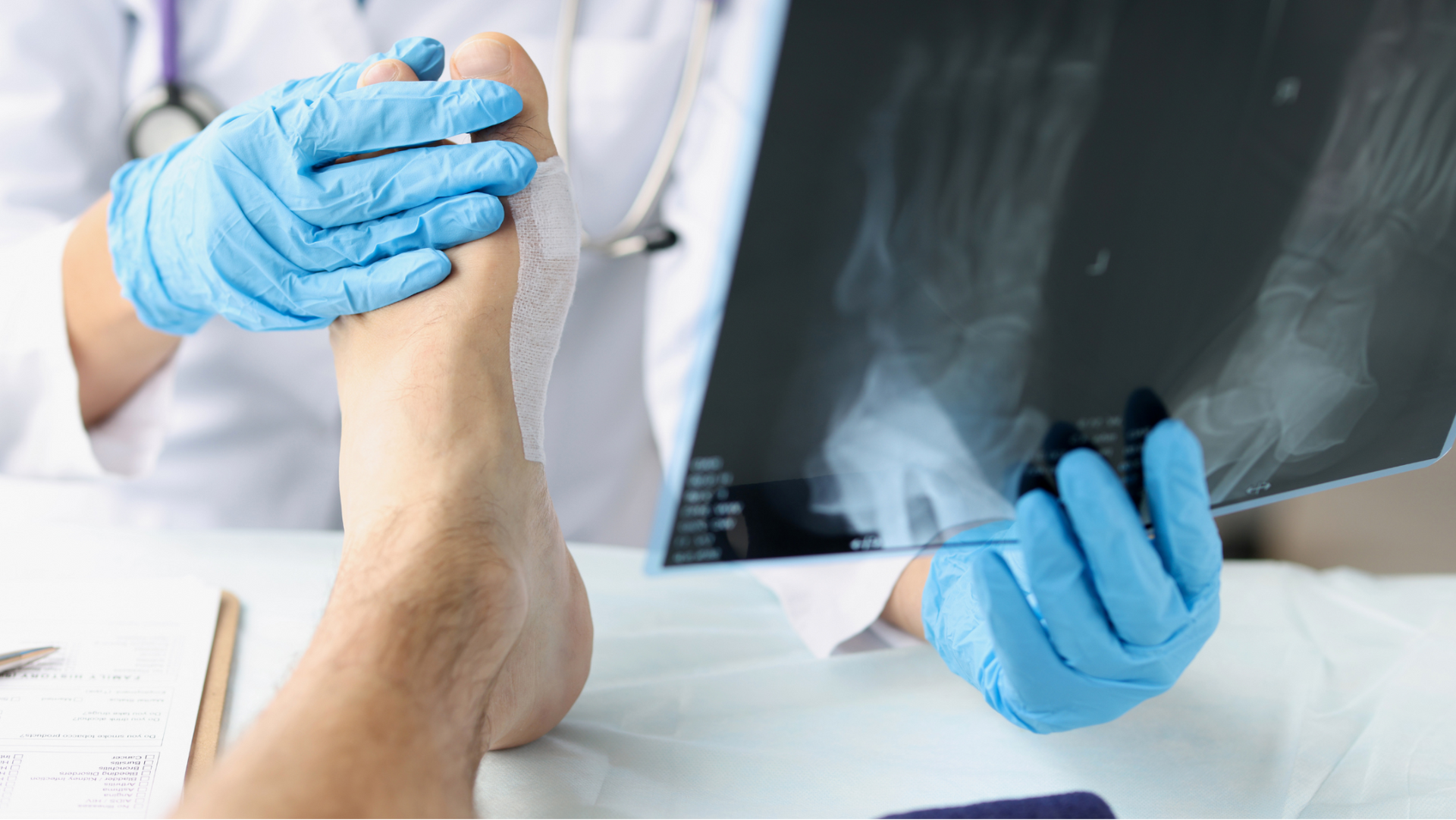
Learn what a podiatrist does and how they can help treat foot and ankle conditions. Discover when to seek care and how to stay active, pain-free, and healthy.
By VIV Builder January 9, 2026
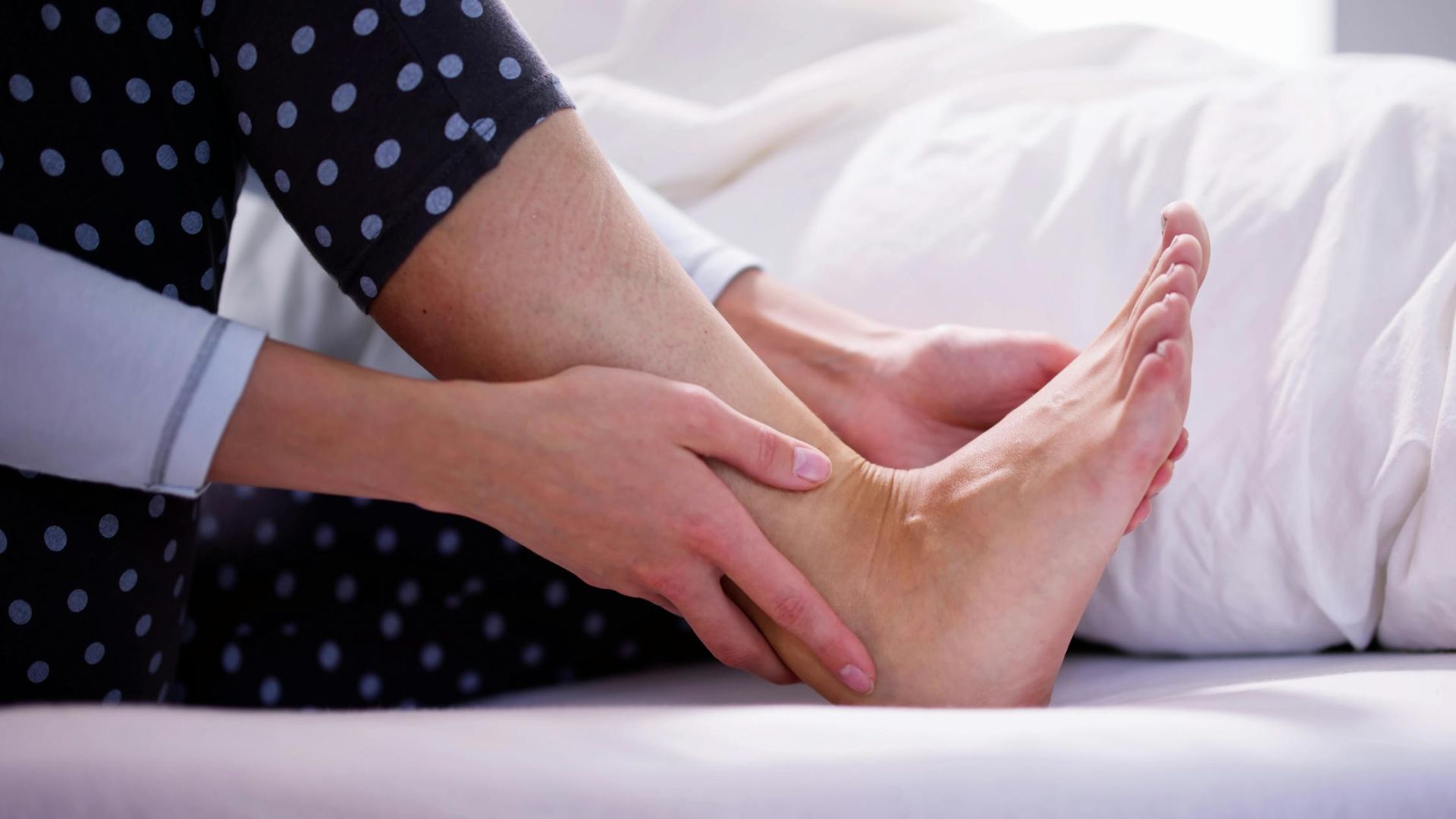
Start the new year pain-free by addressing heel pain early. Learn common causes like plantar fasciitis and how podiatry care can help you stay active and comfortable.

By VIV Builder December 18, 2025
Start 2026 on the right foot with expert podiatry care. Learn how to prevent foot pain, improve mobility, and stay active with comprehensive exams and treatment options.
By VIV Builder December 4, 2025
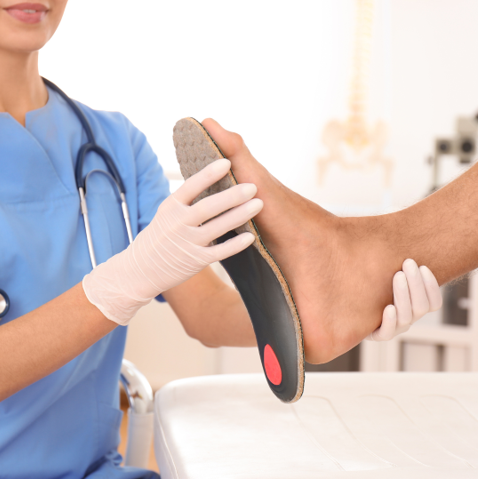
Give the gift of comfort this Christmas with custom orthotics. Learn how orthotics relieve foot pain, improve support, and help loved ones stay active and comfortable.

By VIV Builder November 7, 2025
Protect your feet this National Diabetes Awareness Month. Learn how diabetic foot care, exams, and proper support can prevent complications and keep you healthy.
Show More
